This cable pulling force calculator estimates the required pulling force based on cable weight, route length, friction coefficient, duct bends, and drum usage. The calculation provides a theoretical value and should be used as a guideline only. Always select a cable pulling machine with sufficient safety margin above the calculated force, especially for long routes, multiple bends, or old duct conditions.
How the Cable Pulling Force Is Calculated
This cable pulling force calculator provides an estimated pulling load required to install power or fiber optic cables
inside ducts, microducts, or conduits. The calculation is based on commonly accepted field practices used by cable
installation contractors worldwide.
The total pulling force depends on several key factors such as cable weight, route length, friction inside the duct,
number of bends, and whether a cable drum or drum trailer is used during installation.
Main Parameters Used in the Calculation
- Cable Weight (kg/m): Heavier cables require higher pulling force, especially over long distances.
- Route Length: Longer routes increase friction and overall pulling load.
- Friction Coefficient: Represents the condition of the duct (lubricated, new, standard, or rough).
- Bends (45° / 90°): Each bend significantly increases pulling tension due to directional resistance.
- Cable Drum / Drum Trailer: Additional resistance caused by drum rotation and cable payout.
Important Notes
The calculated value is an approximate estimation and should be used as a reference during planning.
Actual pulling forces may vary depending on installation speed, cable construction, duct cleanliness, ambient
temperature, and lubrication quality.
Always ensure that the pulling force does not exceed the maximum allowable tensile strength specified
by the cable manufacturer. Exceeding this limit may cause permanent cable damage or reduced service life.
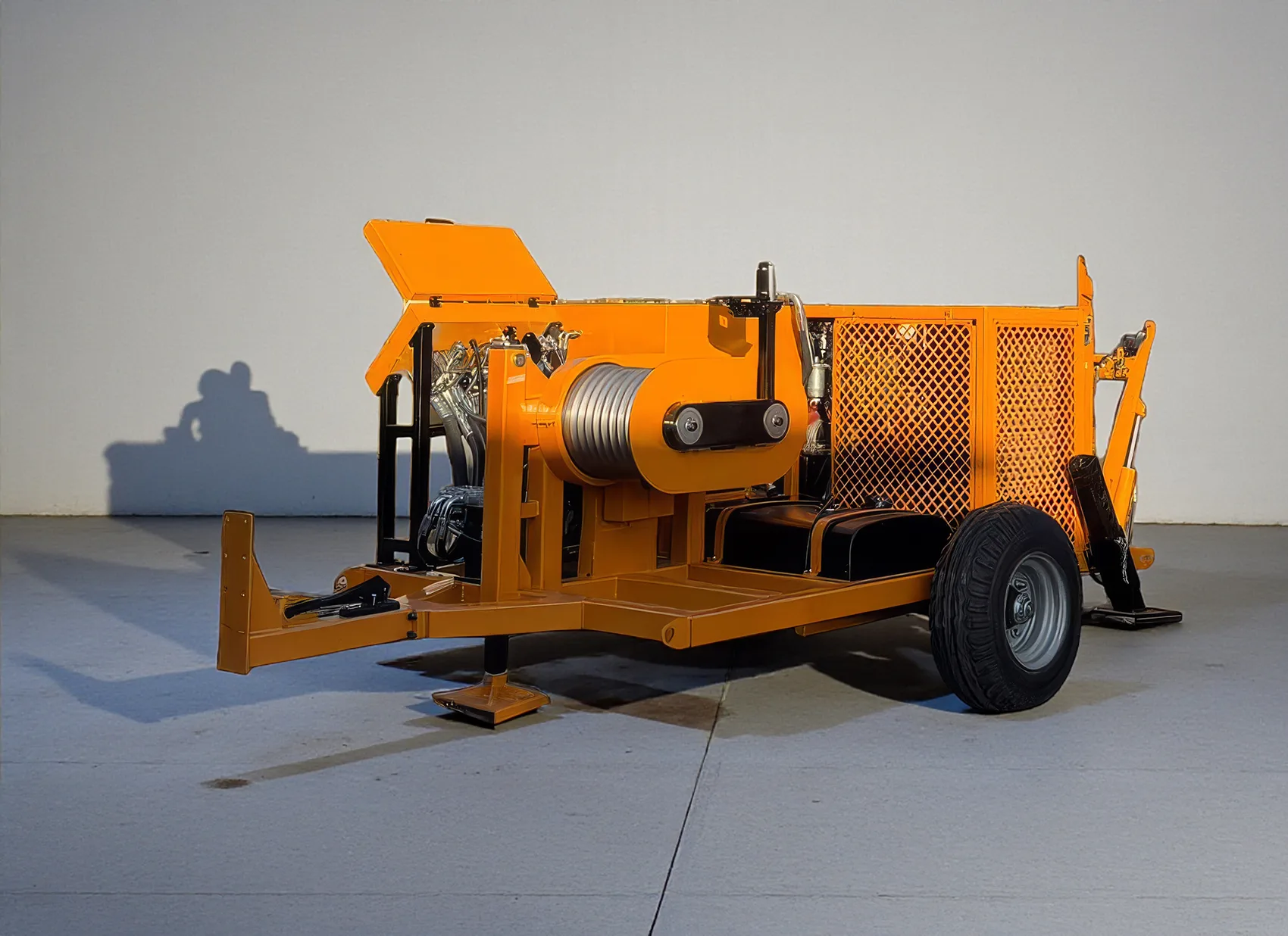
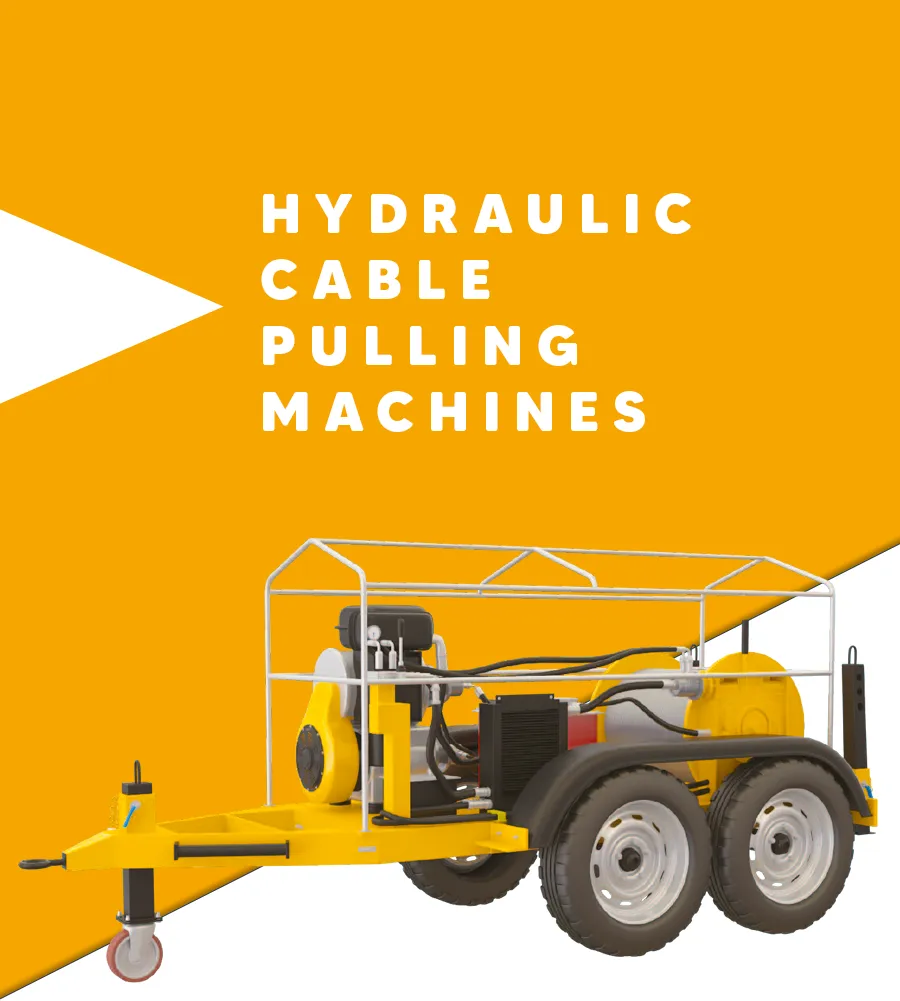
Choosing the Right Cable Pulling Machine
Based on the calculated pulling force, the system automatically recommends a suitable cable pulling or fiber blowing
machine. Using the correct machine helps prevent cable damage, improves installation efficiency, and reduces
installation time on site.
For long routes, heavy cables, or installations with multiple bends, using a professional cable pulling machine
combined with a cable drum trailer is strongly recommended.


Discover high-performance cable installation solutions tailored to your needs – engineered for efficiency, durability, and precision.